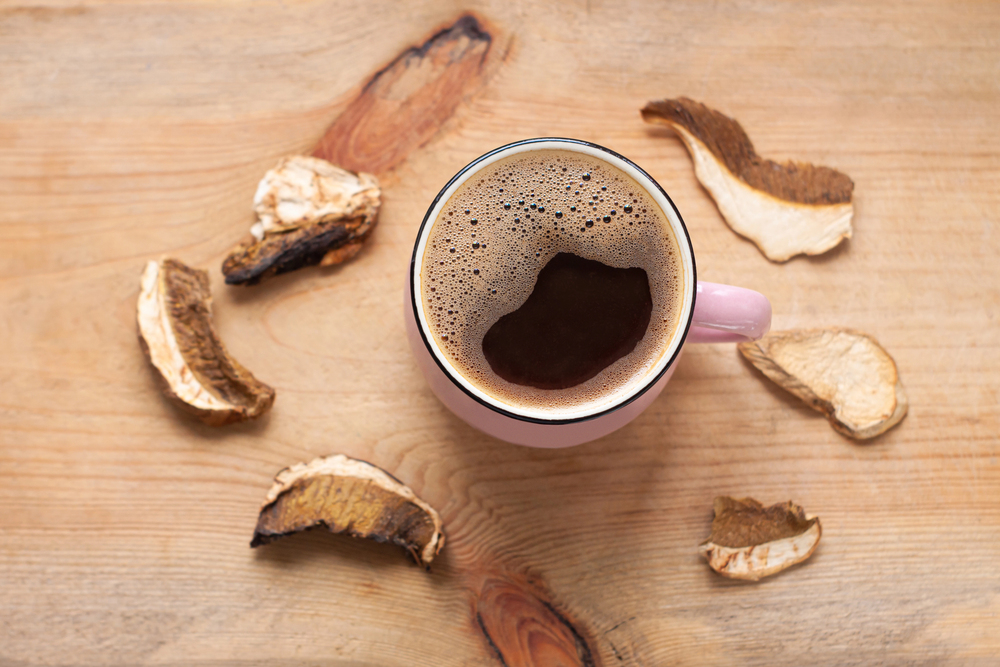
What Is Mushroom Coffee?
If you have heard the term mushroom coffee and immediately pictured mushrooms floating in a cup of coffee, I understand the confusion.
The name makes it sound much stranger than it usually is.
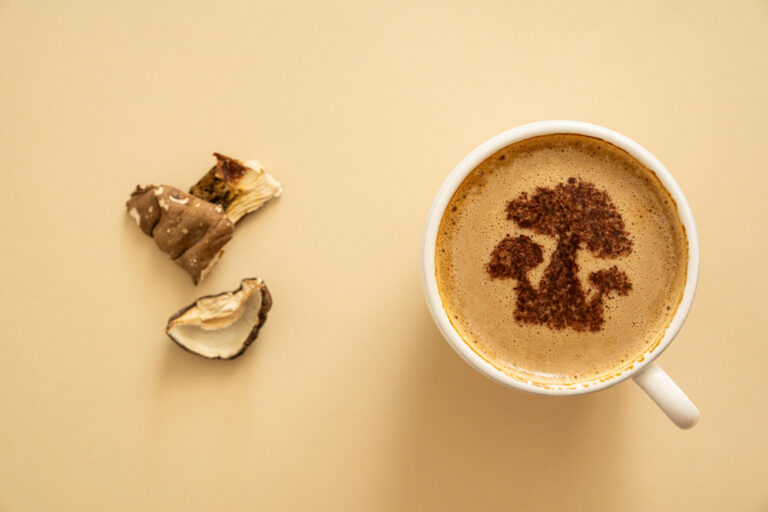
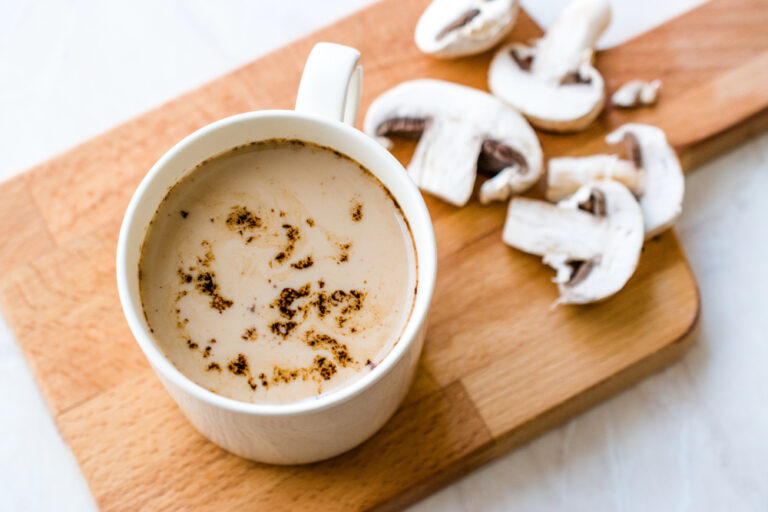
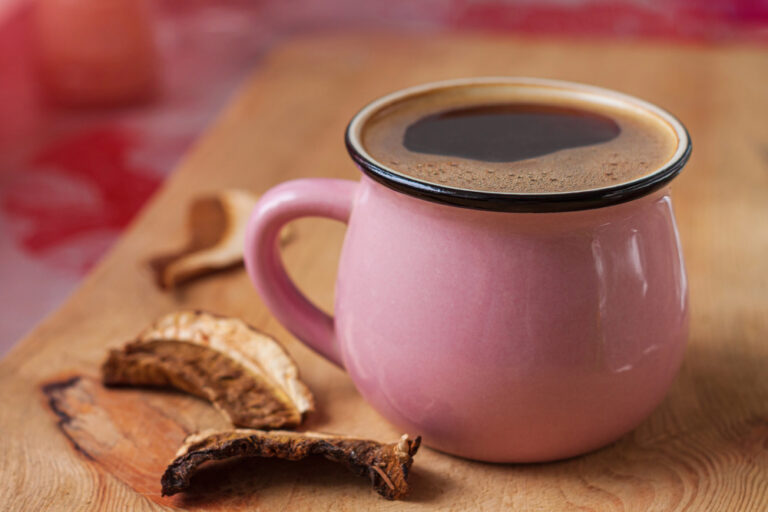
Mushroom coffee is generally coffee, or a coffee-style drink, made with extracts from mushrooms such as lion’s mane, chaga, reishi, or cordyceps. Most products do not contain pieces of fresh mushrooms, and they usually do not taste like the mushrooms you would cook for dinner.
The harder part is that mushroom coffee is not one standard drink. One bag may be ordinary ground coffee with mushroom extracts added. Another may be a powdered mix with coffee extract, collagen, and several other ingredients. A third may contain no coffee beans at all.
That is the first thing I wish brands explained more clearly. The words on the front of the package tell you the category. The ingredient list tells you what you are actually about to drink.
Table of Contents
What Is Mushroom Coffee Made From?
The simplest version starts with regular ground coffee. Mushroom extracts are blended into the grounds, and you brew the product the same way you would brew any other coffee.
Then there are instant and powdered mixes. These dissolve in hot or cold water and may contain coffee extract rather than ground beans. This is also where you start seeing longer formulas with collagen, L-theanine, cacao, creamer, spices, or sweeteners.
Everyday Dose, which is the mushroom coffee I drink, fits into this second group. It contains coffee extract, collagen, L-theanine, lion’s mane, and chaga. I think of it as a powdered coffee drink rather than a direct copy of freshly brewed coffee.
Coffee-free alternatives are the third group. They may use cacao, chicory, tea, or spices to create a warm roasted drink without using coffee beans. Some are enjoyable, but calling all of them coffee stretches the definition a little.
This is why two people can say they tried mushroom coffee and describe completely different experiences. They may not have been drinking anything close to the same product.
Which Mushrooms Are Usually Included?
Lion’s mane, chaga, reishi, and cordyceps are the names you will see most often.
Lion’s mane is usually marketed for focus and mental clarity. Chaga tends to appear in products promoted for antioxidant or immune support. Cordyceps is commonly connected with energy and exercise, while reishi is more often positioned around relaxation and stress.
Those are the marketing categories, not guaranteed outcomes.
A product can print lion’s mane on the package without proving that the finished drink will make you more focused. The amount, type of extract, rest of the formula, and available research still matter.
I am interested in those ingredients, but I would not buy a mushroom coffee based on the mushroom name alone. I still want to know how much caffeine it contains, what else is in it, how it tastes, and how much it costs.
Does Mushroom Coffee Have Caffeine?
It can, and this is one of the easiest things to misunderstand.
A ground blend made with regular coffee will usually contain caffeine. A powdered mix made with coffee extract may contain less than the coffee you normally drink, although that varies by product. A coffee-free alternative may have none, but tea, matcha, cacao, and other ingredients can still contribute caffeine.
So I would never assume mushroom coffee means caffeine-free or even low-caffeine.
Caffeine was one of the reasons I made the switch. Regular coffee was making me feel jittery, and I often hit an afternoon crash. With Everyday Dose, the energy feels steadier to me. That does not mean every mushroom coffee will feel the same, especially when some products contain much more caffeine than others.
If caffeine is your main concern, check the number on the label instead of relying on the word mushroom.
What Does Mushroom Coffee Taste Like?
Usually, it does not taste like cooked mushrooms.
The base of the drink has much more influence on the flavor. A ground blend may taste almost like regular coffee. A powdered mix can be milder, creamier, or slightly thicker. A cacao- or chai-based alternative may taste more like a spiced chocolate drink than coffee.
Some products do have an earthy or slightly bitter quality. Powdered mixes can also feel grainy if they do not dissolve well.
Everyday Dose has a mild coffee flavor and a creamier texture than black coffee. I use a frother, which makes a noticeable difference in how smoothly it mixes. It does not taste like mushrooms to me, but someone who wants a bold dark roast may find it too soft.
I go further into the flavor and texture in Does Mushroom Coffee Taste Like Mushrooms?.
How Is It Different From Regular Coffee?
Regular coffee is straightforward. It is made from roasted coffee beans, and you decide how to grind, brew, and serve it.
Mushroom coffee adds mushroom ingredients or replaces some or all of the coffee with another base. That can change the caffeine, taste, texture, preparation, and price.
A ground blend may barely change your routine. A scoop-and-mix powder can feel more like instant coffee or a quick latte. A coffee-free alternative may only loosely resemble coffee at all.
Mushroom coffee also tends to cost more. If you love inexpensive black coffee and feel good after drinking it, there may be no practical reason to switch.
For me, the lower caffeine and steadier feeling made the tradeoff worthwhile. Someone else may care much more about strong coffee flavor or price.
For the full breakdown, read How Does Mushroom Coffee Compare to Regular Coffee?.
Why Do People Drink It?
Some people are curious about functional mushrooms. Some want less caffeine. Others like the convenience of mixing one serving without brewing a pot of coffee.
My reason was simple: I wanted to keep my morning coffee routine without the jitters and afternoon crash I associated with regular coffee.
I also sometimes notice a short period of better focus after I drink Everyday Dose. The formula contains lion’s mane and L-theanine, but I cannot tell you which ingredient is responsible, and I would not assume another person will feel exactly what I feel.
That is where I separate personal experience from a health claim. I can tell you why I keep drinking a product. I cannot turn that experience into proof that mushroom coffee improves everyone’s focus, energy, digestion, or immune health.
I would treat mushroom coffee as a beverage first. If you dislike the flavor, ingredients, preparation, or price, the wellness language on the package will not make it a good everyday choice.
Is Mushroom Coffee Worth Trying?
It can be worth trying if you want a lower-caffeine option, like powdered drinks, or are genuinely curious about a particular formula.
It may disappoint you if you expect strong freshly brewed coffee, want the cheapest morning drink possible, or are counting on dramatic health results.
Before buying one, I would check the base, the caffeine per serving, and the complete ingredient list. Those three details will tell you far more than the claims on the front of the package.
Once you know if you are looking at real ground coffee, an instant mix, or a coffee alternative, mushroom coffee becomes much less mysterious.
Frequently Asked Questions
Is mushroom coffee made with real mushrooms?
Yes, but it usually contains mushroom powder or extract rather than fresh mushrooms. The species and form should appear on the label.
Is mushroom coffee actually coffee?
Sometimes. Some products contain ground coffee, instant coffee, or coffee extract. Others contain no coffee beans and are better described as coffee alternatives.
How do you prepare it?
Ground mushroom coffee is brewed. Instant powders are mixed with hot or cold water, and a frother can help smoother blends dissolve more evenly.